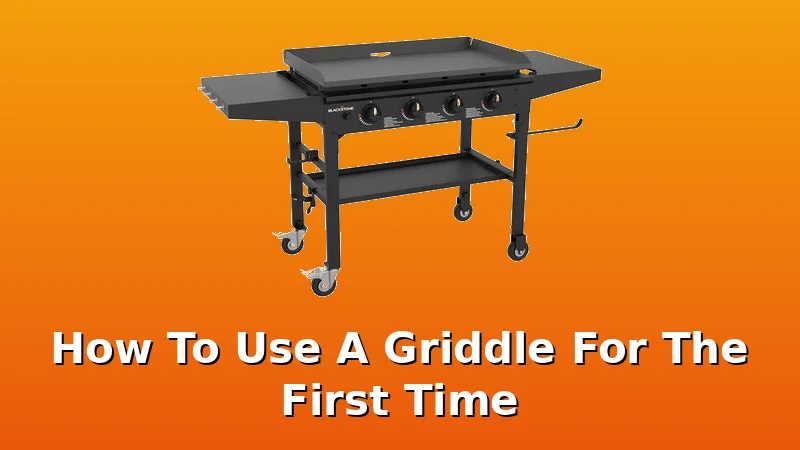
Related: Griddle Buying Mistakes: What I See First-Time Buyers Make
Well, the marketing says a griddle is the easiest way to cook for a crowd. Is it? I’ve been cooking on flat tops for six years. I’ve rusted a cheap Amazon griddle after one batch of smash burgers, survived a family cookout where the wind killed my Blackstone’s flames, and I’ve spent real money learning what works. Here is the truth about using one for the first time.
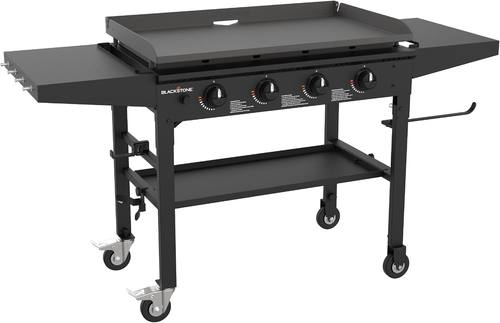
Blackstone 36 Inch 4 Burner 60,000 BTU Portable Steel Griddle Cooking Station with Foldable Legs, Grease Pan, and Storage Rack, Black
The gold standard for a reason. Even heat, massive surface, handles a full breakfast service...
Visit on Amazon →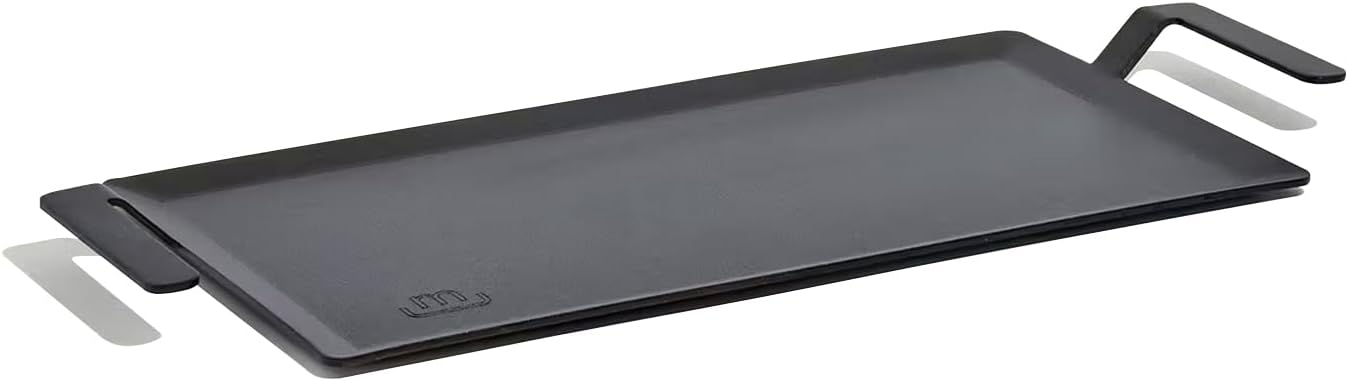
Made In Cookware - Carbon Steel Griddle - Professional Cookware - Crafted in Sweden - Induction Compatible
The last griddle you'll buy. The steel takes a seasoning like nothing else. Built like a tank.
Visit on Amazon →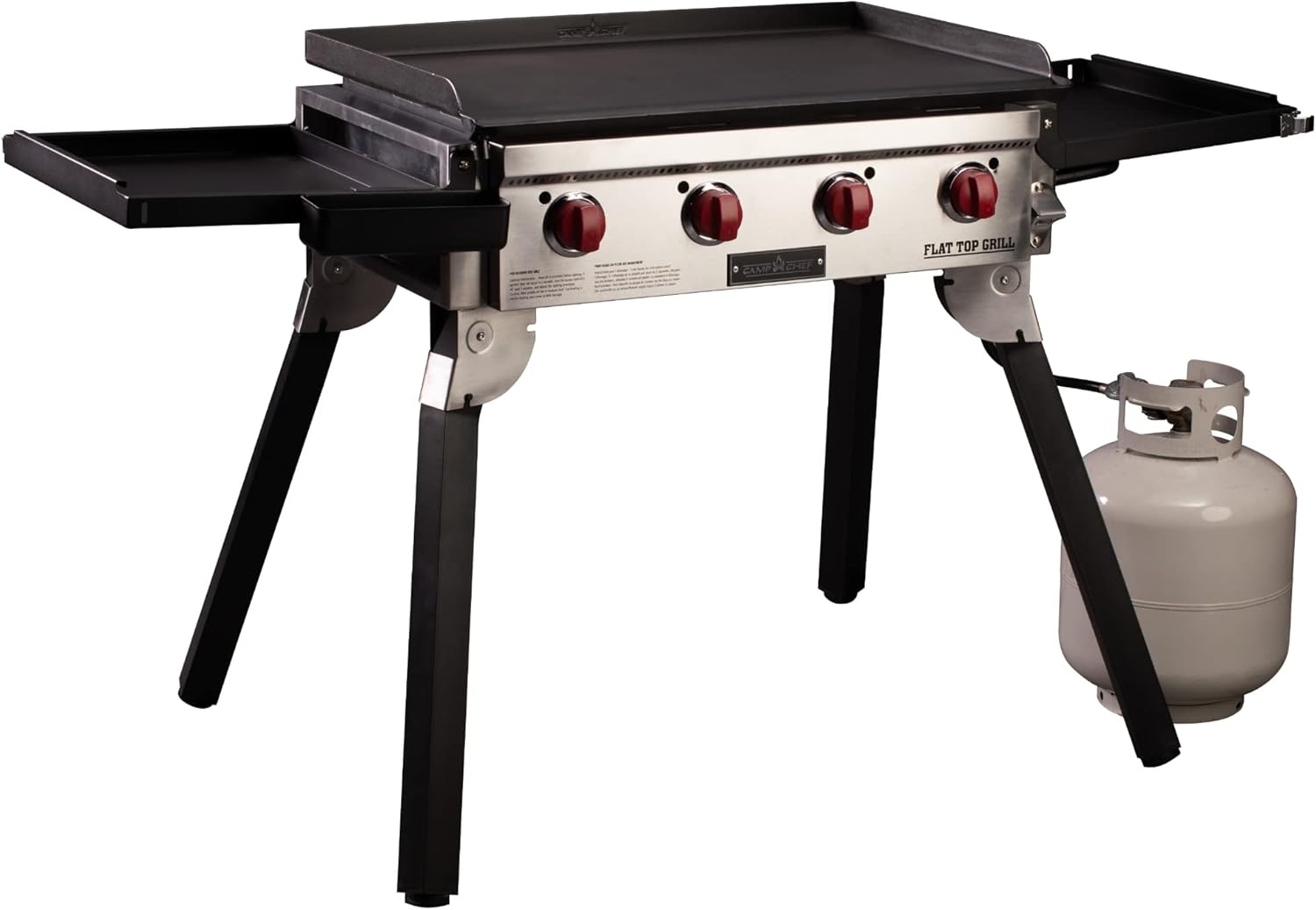
Camp Chef Portable Flat Top Grill, True Seasoned Griddle Surface, Four 12,000 BTU/hr. stainless steel burners
Feels more solid than the Blackstone. Better build quality, better grease management.
Visit on Amazon →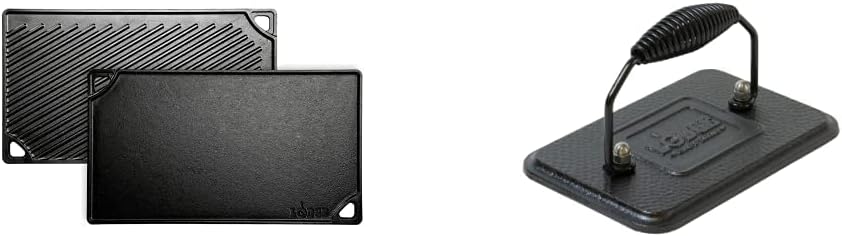
Lodge LDP3 Reversible Grill/Griddle, 9.5-inch x 16.75-inch & LGP3 Rectangular Cast Iron Grill Press, Pre-Seasoned, 6.75-inch x 4.5-inch
A workhorse. It'll outlive you. Perfect for learning the seasoning ritual without a huge investment.
Visit on Amazon →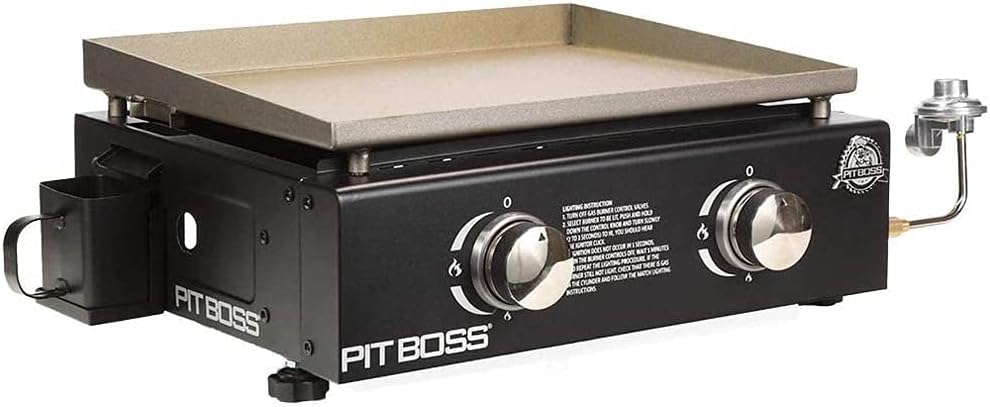
Pit Boss PB336GS Two Burner Portable Flat Top Griddle - Cover Included
Enjoy cooking breakfast, lunch, and dinner outdoors on this versatile Blackstone 36” Omnivore Griddle. With Blackstone Omnivore Griddle Plate Technology, this griddle heats up more quickly and evenly,
Visit on Amazon →How I Tested
I don't run a lab. I run a food trailer and a backyard griddle that sees action three times a week minimum. My dog Bruno, a 70-pound lab mix, supervises every cookout from exactly three feet away. He knows the smell of a smash burger better than most line cooks.
I've owned a Blackstone 36" for four years. I've had a Made In carbon steel griddle for two. I drag a Lodge cast iron to campsites. I've cooked on the EWFEN stovetop units, the Onlyfire inserts, and a buddy's Camp Chef that he swears by. When I test a griddle, I run the 100 smash burger test, a full breakfast service, and the seasoning test: how long before the surface rusts if you slack off.
The First Thing Nobody Tells You: Seasoning Is a Ritual
The box says "pre-seasoned." That's a lie. The factory coating is a head start, not a finish line. My first griddle was a cheap Amazon special. I seasoned it once, cooked a batch of smash burgers, and woke up to a rust-covered surface. I spent 20 minutes scrubbing with steel wool and re-seasoning. Never again.
Here's what you do. You get the griddle hot. Not screaming hot, but hot enough that water dances on the surface. You wipe on a thin layer of oil, canola or grapeseed, and you let it smoke. Then you wipe it off.
Then you do it again. And again. You're building a polymerized layer that protects the steel and makes it nonstick.
It takes time, and you have to re-oil after every single cook, or you're fighting rust by Tuesday.
The Onlyfire pre-seasoning actually held up. That's rare. Most factory seasoning is a lie. The Lodge cast iron takes a seasoning like a champ, but the weight is a pain. The Made In carbon steel takes a seasoning like nothing else I've used. But you have to be willing to put in the work.
Even Heat Is Everything
A cold spot ruins a breakfast service. I don't care how big the cooking surface is if half of it's useless. The back left corner of a cheap griddle doesn't cook. The eggs sit there, raw, while the front burns. I've lived it.
The Blackstone 36" I own has been good to me. The heat distribution is solid. A buyer on Amazon, verified purchase, March 2024, said the grease trap overflows every time. I've seen the same thing on my own unit.
But the cooking surface? It cooks. The Camp Chef feels more solid than the Blackstone. Buyers consistently say the build quality is better.
If you're choosing between a comparable Camp Chef and Blackstone, the Camp Chef is the smarter buy if you can stomach the price difference.
The Pit Boss is the budget play. It's a solid value with decent build quality. It's not going to blow you away, but it won't fall apart either. The heat isn't as even as the bigger units, but for a 17" griddle, it does the job.
The Grease Trap Is Not an Afterthought
I've had grease on the ground, grease on the frame, grease on my shoes. The grease trap on my 36" Blackstone is a design flaw. It overflows if you don't scrape more often and empty it mid-cook. I've learned to do both. But for a first-timer, this is a shock. You think you're done cooking, you go to clean up, and there's a puddle of fat on your patio.
The Camp Chef handles grease better. The drawers and traps are designed properly. The Lodge cast iron? There's no grease trap. You just wipe it into a paper towel. That's the trade-off.
Wind Is the Silent Killer
I stood in a gusty backyard at a family reunion, holding a cardboard wind guard against my Blackstone's flames, while my brother-in-law yelled that the burgers were taking forever. He still brings it up every year. If you cook outside, you need a wind guard. You will rig one out of whatever's around. My aluminum foil wind guard has saved more cookouts than I can count.
Some griddles come with wind guards. Most don't. Buy one or make one. Your family will thank you.
The 22" vs. 36" Question
Buy the size you'll actually use. A 36" is overkill for a family of four. Buyers on Amazon say that all the time. But I've also seen people buy a 22" and immediately want more space. If you entertain, if you tailgate, if you cook for more than four people ever, go bigger. If it's just weeknight dinners, a 22" is fine.
My Blackstone 36" is a beast. It takes 10 minutes to get hot enough for a sear, but it feeds a crowd. The 22" models heat up faster and take less space. There's no wrong answer, just the wrong size for your situation.
The 100 Smash Burger Test
The smash burger is the universal test dish. A ball of ground beef smashed flat on a hot surface for maximum crust. Hot surface, thin layer of oil, smash it flat. Thirty seconds and flip. You want that crust? You commit. No peeking, no flipping early, no pressing down after the smash. Let the Maillard reaction do its thing. The second you hesitate, the burger steams, and you've lost the crust.
I've cooked smash burgers for tailgates of 40. The Blackstone handles it. The Made In handles it. The Lodge handles it, but you have to work in batches. The Pit Boss handles it for a smaller crowd.
The Full Breakfast Service
The real test. Twelve eggs, a pound of bacon, a stack of pancakes, and a batch of home fries, all without a cold spot, without a grease overflow, without the seasoning flaking. That's the test.
The Made In carbon steel passes. It's expensive, but it's the last griddle you'll buy. The steel holds its seasoning, the heat is even, and it's built like a workhorse. A buyer on Amazon, verified purchase, January 2024, said it was "the last griddle you'll buy." I agree.
The Blackstone passes, but you have to manage the grease trap. The Lodge passes if you're patient. The Pit Boss passes for a smaller breakfast.
Cleaning Without Ruining the Seasoning
Scrape, wipe, oil, repeat. A good scraper makes cleaning a breeze. You don't need soap. You don't need water. You scrape off the burnt-on bits, wipe it down with a paper towel, and lay down a thin coat of oil. That's it.
If you let the griddle cool with grease on it, you've created a nightmare for your future self. Scrape while it's hot. The burnt-on grease takes forever to scrape off if you wait.
I don't track prices day to day, so I won't pretend to know next week's deals. But the cost-per-day math is simple. A ~$250 Blackstone 22" that lasts five years is about 14 cents a day. A ~$40 EWFEN that rusts in three months costs you more in frustration than money.
The Bottom Line
A griddle is a living thing. It needs to be fed oil, scraped clean, and respected. If you're willing to put in the work, it will feed you and your people for years. If you're not, you'll be scrubbing rust by spring.
Start with a Lodge if you want to learn the hard way. Buy the Made In if you want the last griddle you'll own. Get the Blackstone if you need to feed a crowd. But whatever you buy, get a wind guard and a good scraper. Your brother-in-law will thank you.