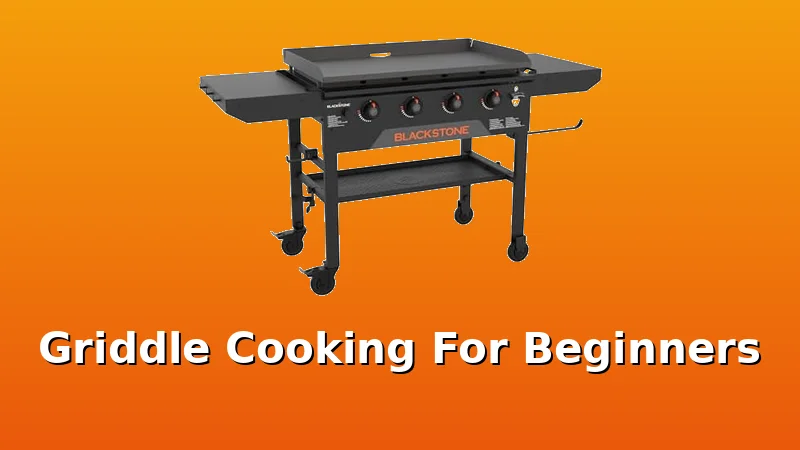
Griddle Cooking For Beginners: I’ve Burned, Rusted, and Warped So You Don’t Have To
The marketing says a griddle will turn you into an instant backyard hero. Is that true? Well, I’ve been cooking on flat tops for six years, and I’ve owned everything from a ~$40 Lodge stovetop unit to a 36" Blackstone that’s seen 200+ smash burgers.
The truth is, a griddle is a fantastic tool, but it’s also a high-maintenance relationship. It will rust if you look at it wrong.
It will warp if you crank the heat. And the grease trap on the most popular model in America is a design flaw.
Here’s how to start without making the expensive mistakes I made.
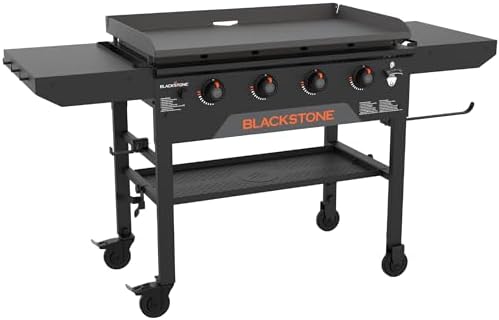
Blackstone 36-inch
Massive cooking surface, even heat for big crowds
Grease trap overflows mid-cook, frame paint flakes
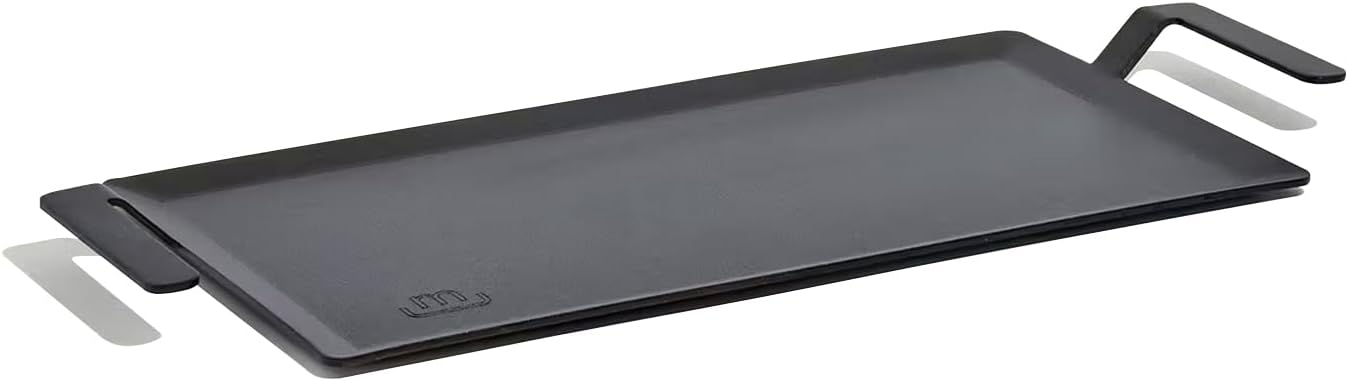
Made In Carbon Steel
The last griddle you’ll buy, takes seasoning like a champ
Expensive, heavy, requires immediate re-seasoning
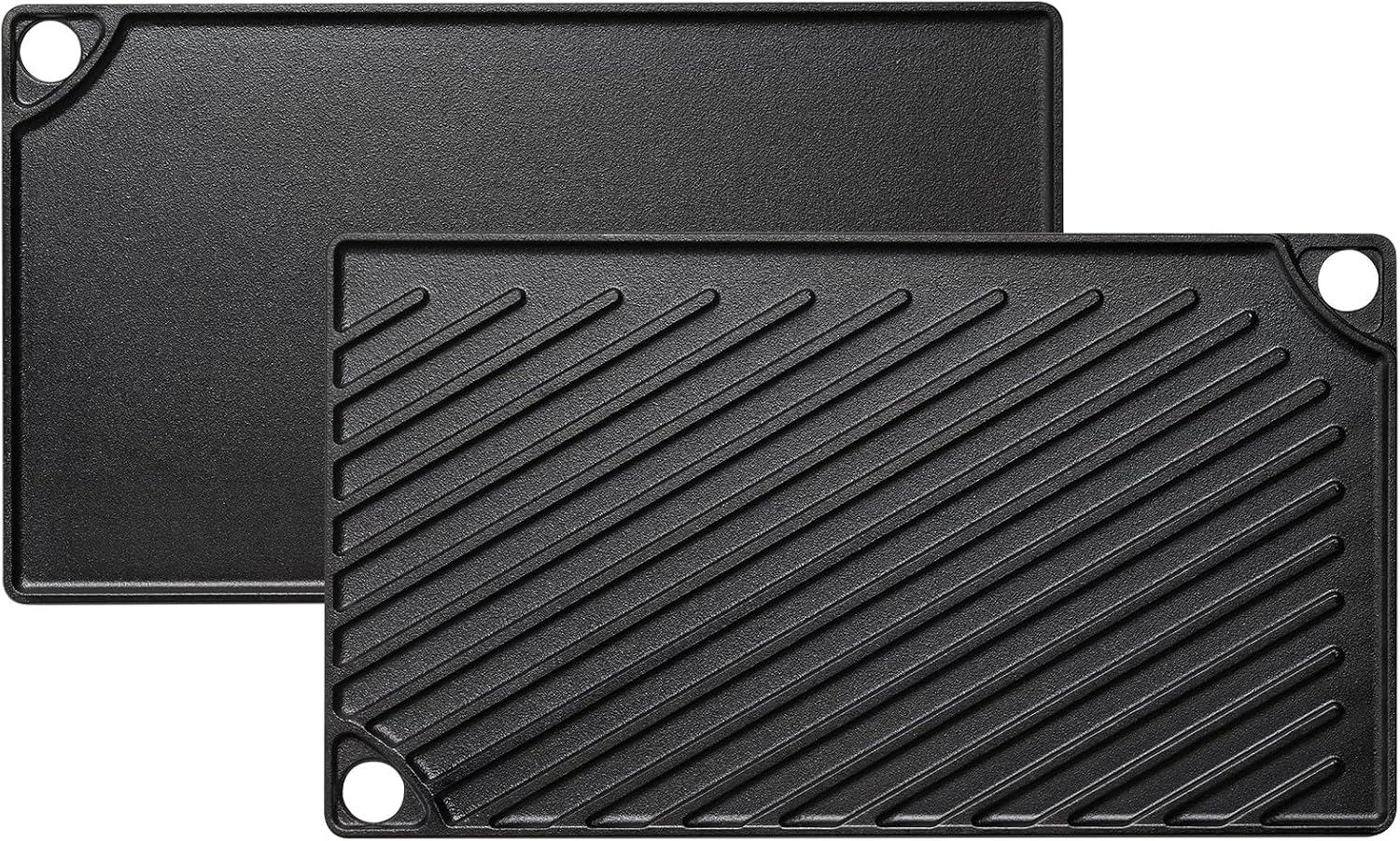
EWFEN Reversible
Cheap entry point for apartment cooking
Pre-seasoning flakes off, thin steel warps under high heat
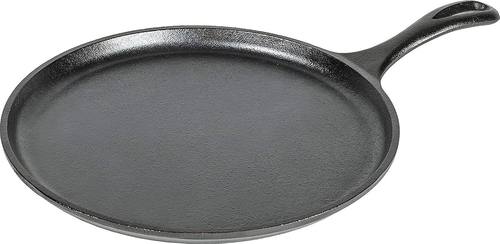
Lodge Cast Iron
Indestructible, holds heat like nothing else
Weighs 40+ lbs, learning curve is real
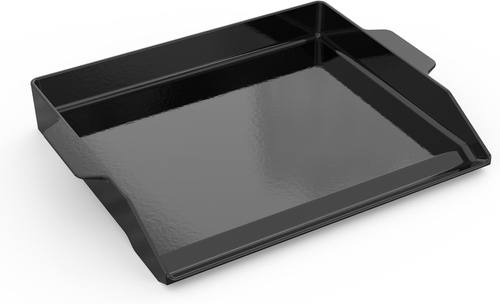
Onlyfire Cast Iron Insert
Pre-seasoning actually held up (rare)
Fits over grill grates, not a standalone unit
Prices and availability were captured from Amazon Creators API and may change.
How I Tested (And What I Ruined)
I’m not a professional chef. I’m the guy who shows up with a cooler of smash burgers and a perfectly seasoned griddle. My dog Bruno, a 70-pound lab mix, supervises every cookout from exactly three feet away. He’s got a better nose for burnt butter than most line cooks I know.
I test the way a short-order cook does: 100 smash burgers, a full breakfast service, and the seasoning test (how long before the surface rusts if you slack off). I’ve made every mistake you’re about to make.
I bought a cheap griddle off Amazon, seasoned it, cooked one batch of burgers, and woke up to a rust-covered surface.
I’ve warped a thin steel top by cranking the heat too high. I’ve set off smoke detectors indoors. You get to skip that part.
One thing I don’t do: track prices day to day. I won’t pretend to know next week’s Amazon deal. What I know is what things cost when I bought them, and whether they were worth it.
Start With Size, Not Brand
The biggest mistake beginners make is buying too small. A 22" griddle sounds fine for a family of four, and it is, for weeknight dinners. But the first time you try to cook bacon, eggs, and pancakes simultaneously, you’ll be juggling pans to keep things warm.
Buy the size you’ll actually use. If you entertain, if you tailgate, if you cook for more than four people ever, go bigger. A 36" Blackstone is overkill for a couple, but it’s the difference between a relaxed cookout and a frantic one. I’ve owned my 36" for four years, and I’ve never once wished it was smaller.
Blackstone 36"
Let’s get the flaw out of the way first: the grease trap is a joke. It overflows every single time I cook a batch of smash burgers. A buyer on Amazon put it this way in March 2024: "The grease trap is a joke, it overflows every time." I’ve learned to scrape more often and empty it mid-cook. It’s annoying, but it’s manageable.
Here’s what makes it the gold standard: even heat. I can cook 12 eggs, a pound of bacon, and a stack of pancakes without a single cold spot. The back left corner cooks as hot as the center. That’s the whole ballgame. The 36" surface is massive, and the burners put out enough heat to sear a smash burger in 30 seconds flat.
The frame paint flakes off after a few seasons. It’s cosmetic, not structural. And the wind will kill the flames if you don’t have a guard. I rigged one out of aluminum foil during a family reunion cookout, and my brother-in-law still brings it up. The Blackstone is a workhorse, but it’s not perfect. If you’re okay with a grease trap that requires babysitting, this is the one.
Made In Carbon Steel
The Made In carbon steel griddle is expensive. At ~$200, it’s more than some standalone flat tops. But it’s the last griddle you’ll buy. I’ve had mine for two years, and the seasoning is rock solid. It takes a polymerized oil layer like nothing else I’ve used.
The steel is thick enough to hold heat without warping, and it’s induction compatible, which means I can use it on my stovetop or take it camping.
The downside? It’s heavy. Not Lodge heavy, but it’s not something you’ll casually toss in a backpack. And the factory "pre-seasoning" is a head start, not a finish line. I re-seasoned it immediately with grapeseed oil, and I’ve never had a rust issue. If you want a griddle that will outlive you, this is the one.
EWFEN Reversible
The EWFEN reversible griddle is what I recommend to apartment dwellers who want to test the waters without spending big. At ~$40, it’s cheap. But here’s the pattern: cheap griddles claim pre-seasoned, then flake and rust within a week. The EWFEN is no exception. I seasoned it three times, and it still rusted after a month. I spent 20 minutes scrubbing with steel wool and re-seasoning. Never again.
That said, the reversible side is useful. You get a flat top on one side and a ridged grill on the other. It fits over two burners, which is nice. But the steel is thin, and it warps under high heat. If you’re cooking on a budget, it’s a starter piece, not a forever piece. Plan to replace it within a year.
Lodge Cast Iron
Lodge cast iron is heavy as hell. This 23" x 16" griddle weighs over 40 pounds. Lifting it out of the cabinet is a workout. But it’ll outlive you. The thermal mass is unmatched. It holds heat like nothing else, which means you can get a perfect sear on a smash burger and not worry about the temperature dropping when you add cold meat.
The learning curve is real. Cast iron requires patience. You have to heat it slowly, season it religiously, and never, ever leave it wet. But once you get the hang of it, it’s the most rewarding surface to cook on. If you want to learn how to manage a flat top without spending big, get a Lodge and learn the hard way.
Onlyfire Cast Iron Insert
The Onlyfire pre-seasoning actually held up. That’s rare. Most factory seasoning is a lie. This 23" x 16" cast iron insert fits over grill grates, which makes it a solid mid-range option if you already own a gas grill and don’t want a standalone unit.
The downside is the fit. It’s not universal, and you might need to adjust your grill grates to get it to sit flat. But once it’s in place, it performs like a proper flat top. The cast iron holds heat well, and the pre-seasoning gave me a solid six months before I needed to re-season. If you’re on a budget and want a big surface without a standalone unit, this is worth a look.
Seasoning: The Ritual That Saves You
Here’s the thing nobody tells you: seasoning is a ritual, not a one-time event. The factory coating is a head start, not a finish line. You re-oil after every single cook, or you’re fighting rust by Tuesday.
Use canola oil for everyday. It’s cheap, reliable, and holds up. Use grapeseed when you’re building a fresh seasoning from scratch. Flaxseed creates a beautiful, hard seasoning that flakes if you look at it wrong. Skip it. The technique matters more than the oil. Heat the surface, wipe on a thin coat, let it smoke, wipe it off. Repeat. That’s it.
Cleaning Without Ruining Your Seasoning
Cleaning is simple: scrape, wipe, oil, repeat. A good scraper makes cleaning a breeze. You don’t need soap. You don’t need water. You scrape off the burnt-on bits while the griddle is still hot, wipe it down with a paper towel, and lay down a thin coat of oil.
If you let the grease cool and harden, you’ve created a nightmare for your future self. Scrape while it’s hot. A ~$10 scraper is the best investment you’ll make. The burnt-on grease that takes forever to scrape off is a problem you can avoid entirely.
Wind Is the Silent Killer
If you cook outside, you need a wind guard. I rigged one out of aluminum foil during a family cookout, and it saved the day. Low flames, starving family, and a breeze that mocks you. I’ve been there. A ~$30 wind guard from Amazon is worth every penny. Don’t wait until your brother-in-law brings up the windy cookout for the fifth time.
The Bottom Line
A griddle is a relationship. It needs to be fed oil, scraped clean, and respected. Start with a Lodge if you want to learn cheap. Get a Blackstone 36" if you’re feeding a crowd and can handle the grease trap. Spend the money on a Made In if you want the last griddle you’ll buy. And for God’s sake, get a wind guard before your first cookout. Your family will thank you.