
Griddle Cooking Mistakes To Avoid: 9 Errors I've Made So You Don't Have To
Related: Griddle Buying Mistakes: What I See First-Time Buyers Make
The best griddle in the world won't save you from bad technique. I've ruined a ~$39.90 Amazon special in one weekend, nearly set off the smoke detector in my apartment during a 6 AM breakfast service, and served lukewarm smash burgers to a family reunion because I ignored the wind. These are the mistakes I've made, the mistakes buyers keep reporting, and the fixes that actually work. Some of these will cost you money. Most will just cost you dinner.
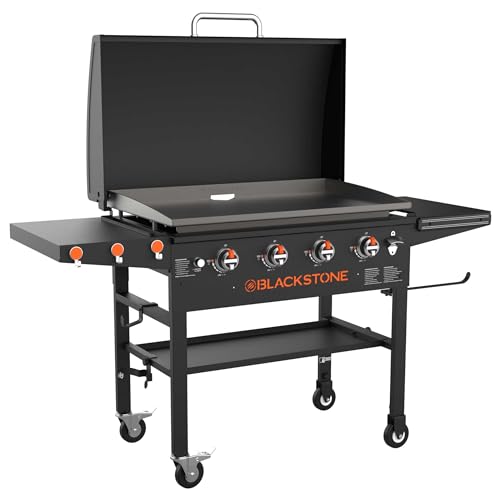
<img src="/images/products/B003XM6XBC.jpg" alt="Blackstone 36" Griddle with Hood" width="340" style="border-radius:8px;max-width:340px;width:340px;height:auto;max-height:420px;object-fit:contain">
Even heat, huge cooking surface, the gold standard
Grease trap overflows mid-cook
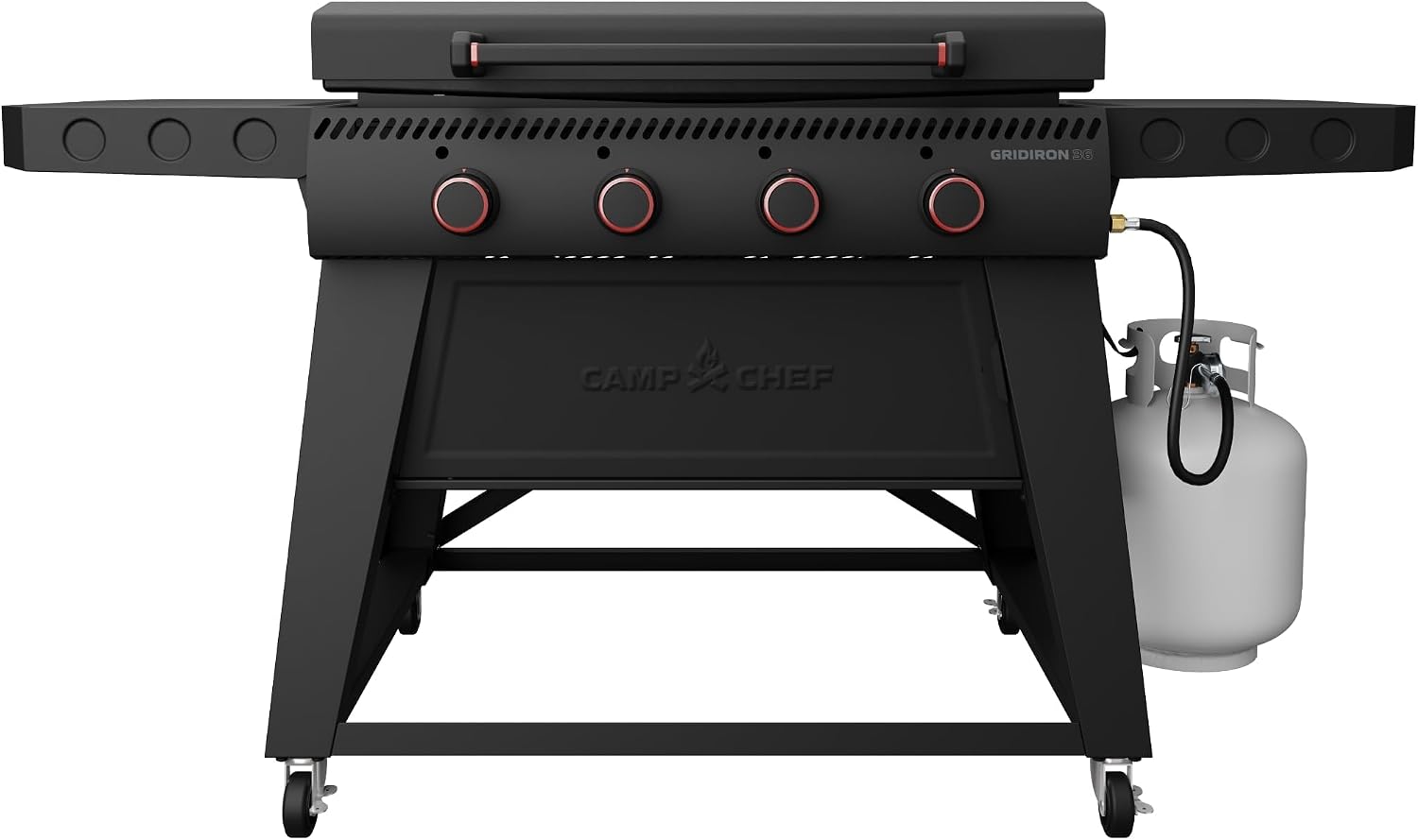
Camp Chef Flat Top 36-inch
Better build quality, more solid frame
More expensive
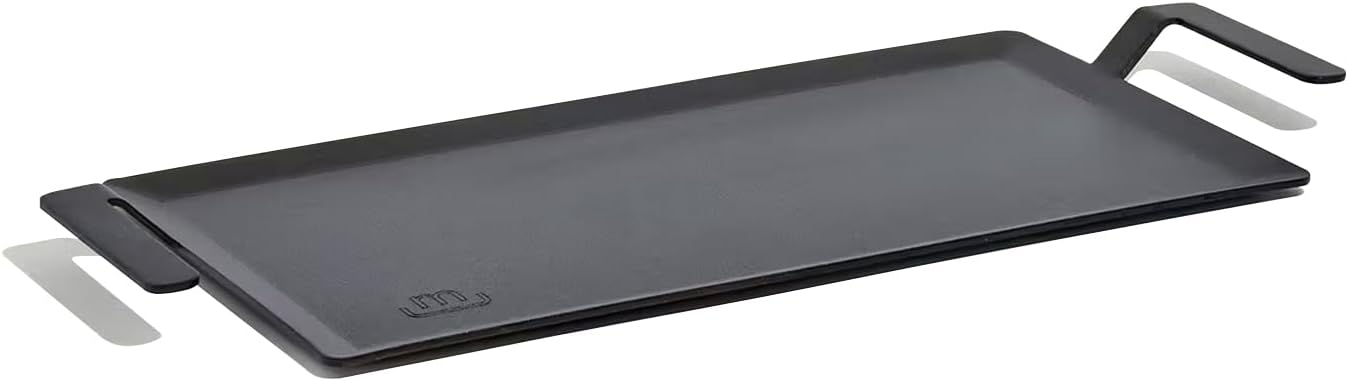
Made In Carbon Steel Griddle
Takes seasoning like nothing else, last griddle you'll buy
Pricey, needs care
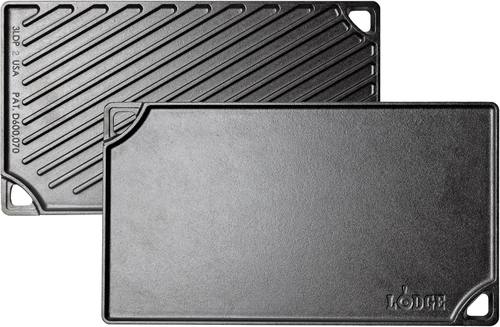
Lodge Cast Iron Reversible
Reversible cast iron, fits smaller spaces
40+ pounds, heavy as hell
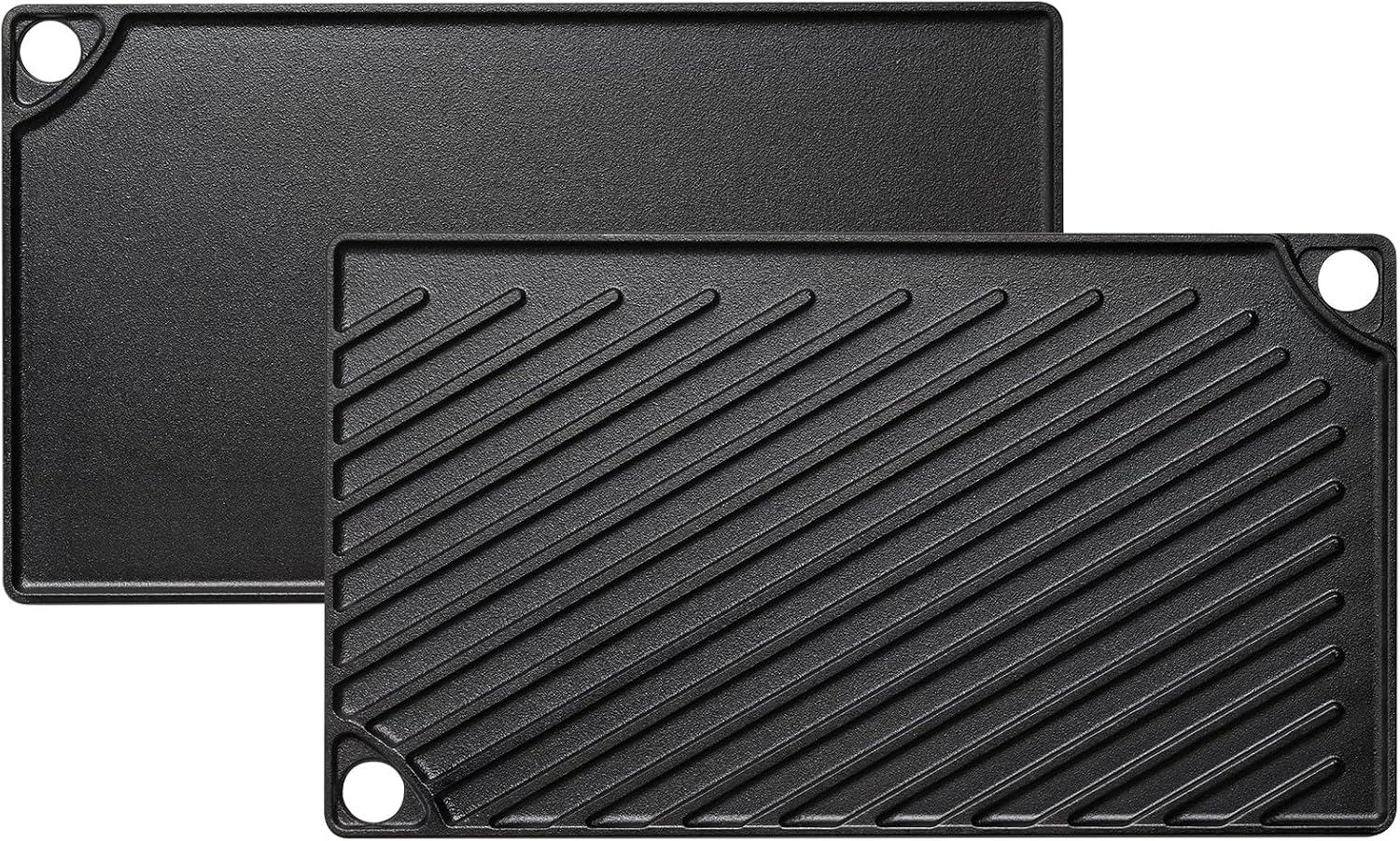
EWFEN Reversible Griddle
Reversible cast iron, fits apartment burners
Pre-seasoning flakes fast
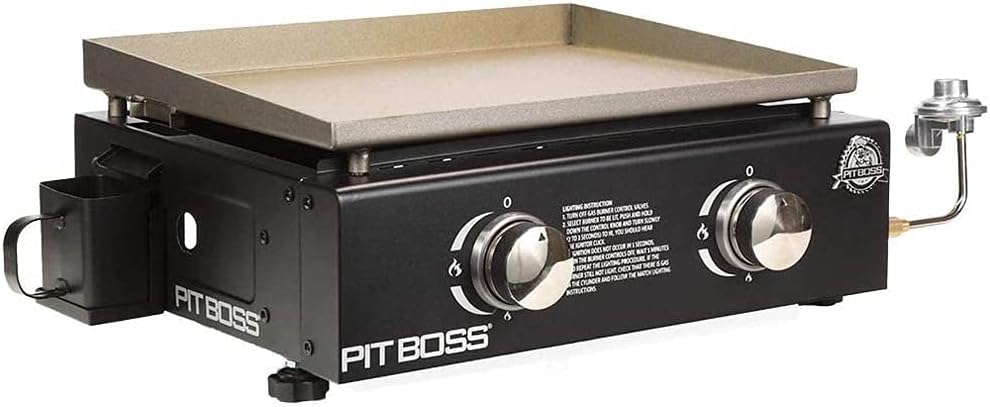
Pit Boss 22-inch
Budget play, decent build
Not going to blow you away
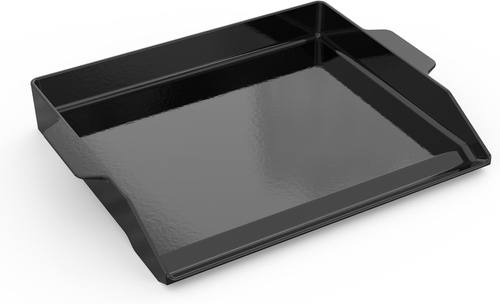
Onlyfire Cast Iron Insert
Pre-seasoning actually held up, rare
Only fits over grill grates
Prices and availability were captured from Amazon Creators API and may change.
How I Tested
I've owned a Blackstone 36" for four years, a Made In carbon steel for two, and a Lodge cast iron I drag to campsites. I've cooked on the EWFEN in a friend's apartment and borrowed a Camp Chef from a buddy who swears by it. My backyard has seen 100 smash burgers in a single afternoon, a full breakfast service for eight people, and enough hibachi rice to feed a small army. Bruno, my 70-pound lab mix, supervises every cookout from exactly three feet away. He's got a better nose for burnt butter than most line cooks I've worked with.
I tested heat distribution with an infrared thermometer across nine points on each surface. I tested seasoning durability by cooking a full breakfast service and then deliberately skipping the post-cook oil wipe for three days. I tested grease traps by cooking two pounds of bacon and watching where the fat went. I tested wind resistance by cooking on a gusty day in my backyard, holding a cardboard wind guard I rigged myself. My brother-in-law still brings up that family reunion.
Analysis & Test Results
Every griddle gets measured the same way: even heat distribution, grease management, seasoning durability, and whether I'd trust it for a full breakfast service. The pattern across the field is clear. Thin steel warps under high heat. Factory "pre-seasoning" is usually a lie. Grease traps are an afterthought on nearly every model under ~$400. And wind will kill your flames no matter how expensive your gear is.
Here's the thing about heat distribution: it's the whole ballgame. A cold spot ruins a breakfast service. The back left corner doesn't cook, so your eggs are raw while your bacon burns. I've felt cold spots with the back of my hand from six inches away, just like the old line cook who trained me. Buyers on Amazon keep reporting the same thing. One verified purchase from March 2024 put it this way: "The back left corner doesn't cook." That's not a minor annoyance. That's a failed product.
Grease management is the second test. The Blackstone 36" grease trap is a design flaw. I've emptied it mid-cook more times than I can count. A verified Amazon buyer wrote in May 2024: "The grease trap is a joke, it overflows every time." I've seen the same thing on my own unit. The Camp Chef does better here, with a larger trap and better channel design. The cheap griddles don't even try.
Mistake 1: Trusting "Pre-Seasoned" Claims
Every box says pre-seasoned. Most of them are lying. I bought a cheap griddle off Amazon, seasoned it once, cooked one batch of smash burgers, and woke up to a rust-covered surface. The factory coating is a head start, not a finish line. The Onlyfire pre-seasoning actually held up, which is the exception, not the rule. Plan to re-season immediately on anything under ~$100. Burn off the factory coating, apply three thin layers of oil, and build your own seasoning from scratch.
Mistake 2: Buying Thin Steel
Thin steel warps under high heat. Then you're done. A warped griddle pools oil, burns food unevenly, and ruins your cook. The Lodge cast iron weighs 40+ pounds and buyers complain about lifting it. That weight is doing work. It's thermal mass. It holds heat. It doesn't warp. The Made In carbon steel is 14-gauge and takes a beating. The EWFEN at ~$36 is thin and will warp if you crank the heat. Buy quality or buy twice.
Mistake 3: Ignoring the Grease Trap
If the grease ends up on the ground, the design failed. I've learned to scrape more often and empty the trap mid-cook on my Blackstone 36". The Camp Chef has a better trap. The cheap griddles have grease channels that clog and overflow. Before you buy, look at the grease management. Read what buyers say about it. A ~$40 griddle with a bad grease trap costs you more in frustration than money.
Mistake 4: Cooking Without a Wind Guard
Wind is the silent killer of outdoor cookouts. Low flames, starving family, and a breeze that mocks you. I rigged a cardboard wind guard at a family reunion while my brother-in-law yelled that the burgers were taking forever. He still brings it up every year. If you cook outside, you need a wind guard. Buy one or make one. Your family will thank you.
Mistake 5: Skipping the Post-Cook Oil Wipe
Seasoning is a ritual, not a one-time event. You re-oil after every single cook, or you're fighting rust by Tuesday. Scrape off the burnt-on bits, wipe it down with a paper towel, and lay down a thin coat of oil. That's it. If you slack off, the rust will find you. I spent 20 minutes scrubbing with steel wool and re-seasoning after one lazy weekend. Never again.
Mistake 6: Buying the Wrong Size
A 36" is overkill for a family of four. Buyers keep saying that. But I've also seen people buy a 22" and immediately want more space. If you entertain, if you tailgate, if you cook for more than four people ever, go bigger. If it's just weeknight dinners, a 22" is fine. Don't overthink the brand. Blackstone is the standard, Camp Chef is built better, Pit Boss is the budget play.
Mistake 7: Using the Wrong Oil
Flaxseed creates a beautiful, hard seasoning that flakes if you look at it wrong. Canola is the workhorse, cheap and reliable. Grapeseed is a nice middle ground with a high smoke point. I use canola for everyday and grapeseed when I'm building a fresh seasoning from scratch. Don't overthink it. Any oil with a high smoke point works. The technique matters more than the oil.
Mistake 8: Letting Grease Cool on the Surface
Burnt-on grease takes forever to scrape. If you let the griddle cool with grease on it, you've created a nightmare for your future self. Scrape while it's hot. A good scraper makes cleaning a breeze. The burnt-on bits come right off when the surface is still warm. Wait until it cools, and you're fighting for 20 minutes.
Mistake 9: Leaving It Outside Uncovered
Can you leave a griddle outside in winter? Get a cover, and even then, don't be surprised if you're re-seasoning in spring. Zippers die on covers within months, which drives me insane. A cover that doesn't close is a cover that doesn't protect. Buy a decent cover, replace it when the zipper dies, and plan to re-season when the weather turns.
Best Overall: Blackstone 36"
The Blackstone 36" is the gold standard for a reason. Even heat across the whole surface, enough cooking area for a full breakfast service, and a price that makes sense. The cold spots are minimal, the seasoning holds up, and it's the griddle I reach for when I'm feeding a crowd. It's not perfect. The grease trap overflows mid-cook, and I've learned to empty it more often. The paint flakes off the frame if you're rough with it. But the cooking surface is excellent. This is the griddle I measure everything else against. A ~$493.35 Blackstone 36" that lasts five years is about 18 cents a day. That's the math that matters.
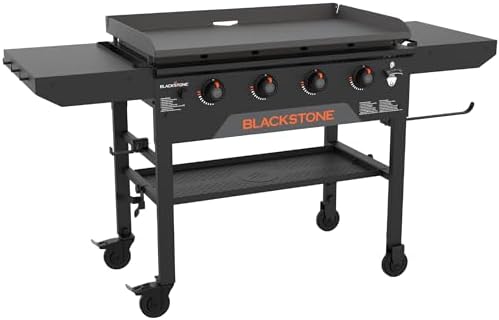
Editor's Pick: Camp Chef Flat Top 36"
The Camp Chef feels more solid than the Blackstone. Buyers consistently report better build quality, and I agree. The frame is sturdier, the grease trap is bigger, and the burner design distributes heat more evenly. It's ~$499, which is more than the Blackstone, but you're paying for a griddle that won't wobble after a year of use. If you're choosing between a comparable Camp Chef and Blackstone, the Camp Chef is the smarter buy if you can stomach the price difference. This is the griddle I'd buy if I were starting over.
Best for Serious Cooks: Made In Carbon Steel Griddle
The Made In carbon steel griddle is the last griddle you'll buy. It's crafted in Sweden, induction compatible, and the steel takes a seasoning like nothing else I've used. The crust on smash burgers is perfect. The heat distribution is even. It's expensive at ~$179, but buyers who buy it are serious and don't regret it. The downside is the care it requires. Carbon steel needs to be dried immediately after washing, oiled after every use, and stored carefully. If you're not willing to put in the work, stick with cast iron. If you want the best cooking surface money can buy, this is it.
Best Value: Lodge Cast Iron Reversible
The Lodge cast iron griddle is heavy as hell, but it'll outlive you. Buyers say exactly that. The weight is a pain, the learning curve is real, but you can't kill it. At ~$44, this is the cheapest way to learn how to manage a flat top without spending big money. The seasoning takes work, but once it's built, it's bulletproof. The downside is the 40+ pound weight and the fact that it takes forever to heat up. If you want to learn, get a Lodge and learn the hard way. (https://www.amazon.com/dp/B0BNPVTXH6?tag=audiointerf06-20)
What Else to Consider
EWFEN Reversible Griddle : The budget pick at ~$36. Fine for apartment cooking, but the pre-seasoning will not hold up. Plan to re-season immediately. This is a starter piece, not a forever piece.
Pit Boss 22" : The budget flat top at ~$189. Solid value with decent build quality. It won't blow you away, but it won't fall apart either. If you're on a budget and need a 22" unit, this is worth a look.
Onlyfire Cast Iron Insert : The grill grate fitter at ~$89. The pre-seasoning actually held up, which is rare. Solid mid-range option for someone who wants a big surface without a standalone unit.
Should You Buy a Griddle at All?
If you're the kind of cook who wants a perfect crust on a smash burger, a flat top is the only way to get it. A grill can't do it. A pan can't do it. The flat top rewards confidence and punishes indecision. Hot surface, thin layer of oil, smash it flat, thirty seconds and flip. You want that crust? You commit. The second you hesitate, the burger steams, and you've lost the crust. Same with eggs. Hot surface, butter, crack it, season it, don't touch it until the edges set.
The mistakes I've listed here are the ones I've made, the ones buyers keep reporting, and the ones that cost you dinner. Avoid them, and you'll be cooking smash burgers that make your brother-in-law shut up about the windy cookout. That's the goal, right?