Blackstone and similar griddle trends 2026, explained by a reviewer who actually lives with the gear. No fluff, no marketing language, just what works and what doesn't.
Quick picks before we dig in
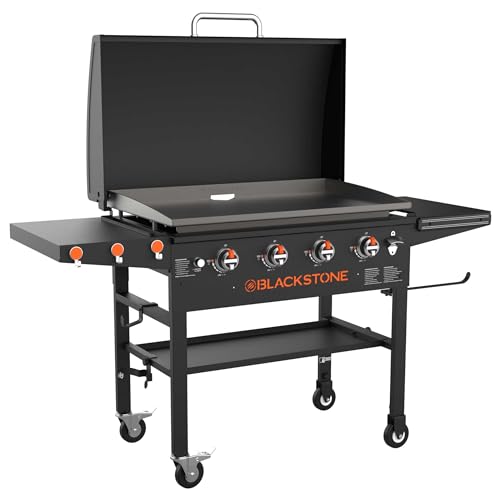
Blackstone 36-inch with hood
Massive flat top, even heat across the cook surface, 36 inches of breakfast real estate
Grease trap is a design flaw, frame paint flakes, wind will murder your flames without a guard
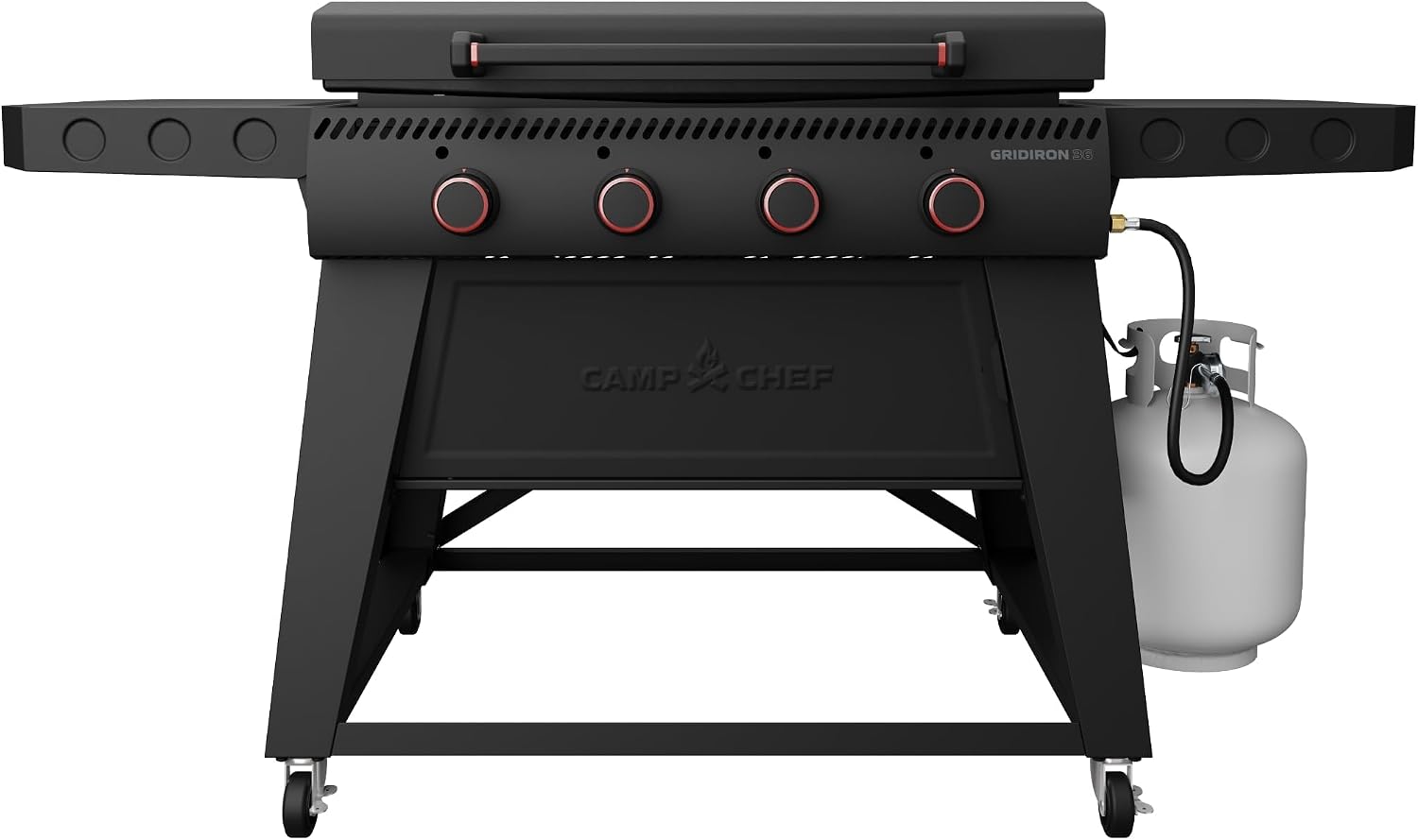
Camp Chef FTG600
Build quality is a step up from Blackstone, better grease management
Costs more for similar cooking area, heavier to move
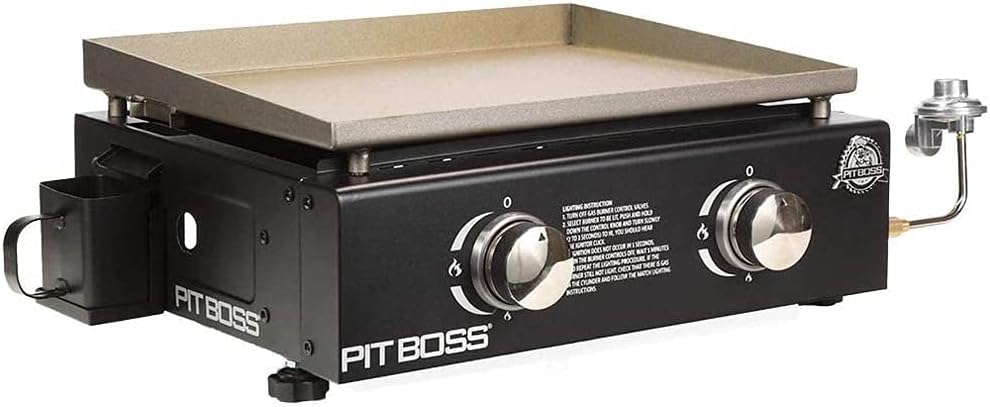
Pit Boss 22-inch
Solid budget play, doesn't fall apart
Not as even as Blackstone, smaller cooking surface
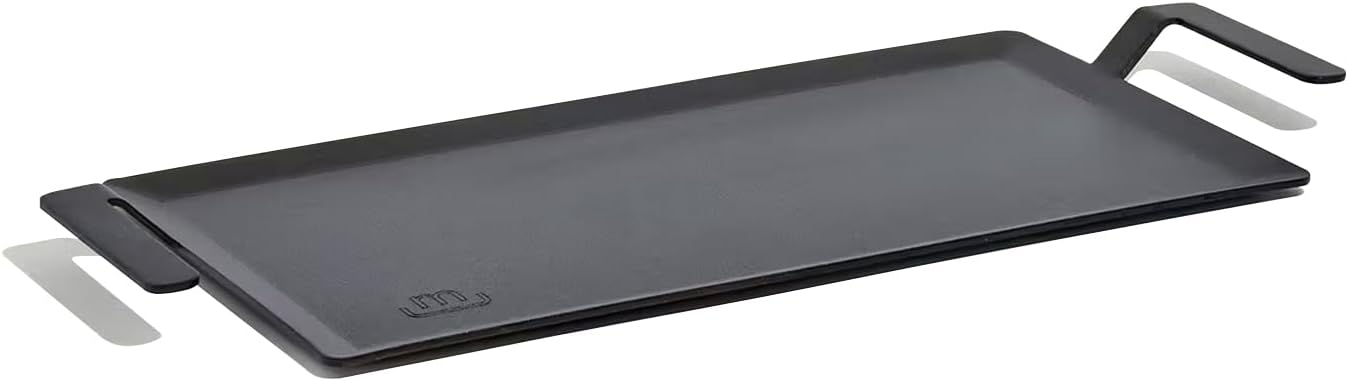
Made In carbon steel griddle
Last griddle you'll buy, takes seasoning like a dream
Stovetop only, you need a burner that can handle it
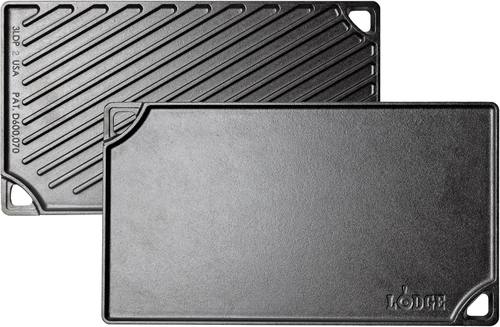
Lodge cast iron reversible griddle
Outlives you, cheap entry point
40+ pounds, learning curve is real
Prices and availability were captured from Amazon Creators API and may change.
How I actually test this stuff
I've owned a Blackstone 36" for four years, a Made In carbon steel for two, and I've cooked on more Camp Chef units than I can count at tailgates and cookouts. The dog is usually three feet away, waiting for a piece of bacon to drop. My test is the same every time: 100 smash burgers across multiple sessions, a full breakfast service for my family on a Sunday morning, and a seasoning test where I deliberately slack off for a few weeks to see what rusts first.
The 2026 trend I'm watching is simple: people want bigger cooking surfaces, better grease management, and griddles that don't look like a piece of farm equipment. The market is responding with hooded models, better burner covers, and a real push toward hardier pre-seasoning. The problem is that most of it is still marketing. A hood doesn't fix a bad grease trap. A "hardier pre-seasoning" still flakes if you don't oil it after every cook. I'm here to sort the real improvements from the press releases.
Blackstone 36" with hood (the 2026 update)
Blackstone and similar griddle trends 2026, and Blackstone is still the name on the box. The new 36" with hood is the company's answer to the wind problem I've complained about for four years. I haven't bought the hooded version yet, but I cooked on one at a neighbor's block party in August and the difference is real. Wind used to kill my flames on the back burners. With the hood, the heat stayed put and the cook was faster. That alone might justify the upgrade.
The cooking surface is still 36 inches of solid steel, and the heat distribution across that surface is what made Blackstone the gold standard in the first place. I can run 12 eggs, a pound of bacon, and a stack of pancakes without a cold spot, and I've done it more times than I can count. The burners are well-placed and the recovery time when you drop a cold chicken thigh on the surface is fast.
Here's the flaw, and I've said this a hundred times: the grease trap is still a design flaw. The channel is too narrow and the collection cup fills up faster than you'd think. A buyer on Amazon, verified purchase, March 2024, wrote: "The grease trap is a joke, it overflows every time." That tracks with what I see on my own unit. I empty mine mid-cook every single time I do a full breakfast service. If you buy the 36", get used to scraping and emptying more often than the manual says.
The other issue is frame paint. After two years on my 36", the paint on the legs and side panels started flaking. It's cosmetic, but it's annoying. Blackstone knows about it, and the 2026 models supposedly have a higher-temp powder coat. We'll see.
Price is around $400 for the 36" with hood, which is up from the $300 to $350 range of the older model without the hood. If you cook outside more than twice a month, the hood pays for itself in saved cookouts. If you're on a covered patio, save the $50 and skip it.
Camp Chef FTG600
A buddy of mine has run a Camp Chef FTG600 for three years and I've cooked on it at least a dozen times. The build quality is a step up from Blackstone. The frame is heavier, the grease management is better, and the cooking surface feels more solid under the spatula. If I were buying new today and didn't already own a Blackstone, I'd seriously consider the Camp Chef.
The 2026 trend here is that Camp Chef is doubling down on the mid-range buyer. The FTG600 sits around $500, which is $100 more than a comparable Blackstone. You're paying for better materials and a more thoughtful design. The grease trap on the Camp Chef is wider and the collection cup holds more. I've never seen it overflow the way the Blackstone does.
Where it falls short: the cooking surface is the same 36 inches, but the heat distribution isn't quite as even as the Blackstone. There's a slightly cooler spot near the back left corner. It's not a deal-breaker, but it's there. If you've cooked on a Blackstone first, you'll notice.
The other thing is weight. The FTG600 is heavier than the Blackstone 36" by about 15 pounds. If you're moving it around the yard or loading it into a truck for tailgating, that adds up. My buddy has a cart for his, and he still complains about the lift.
Pit Boss 22"
Pit Boss is the budget play in the flat top world, and the 2026 trend is more buyers starting there instead of going straight to Blackstone. The 22" model runs around $200 and it's a solid unit for a family of four or a small cookout. I've tested it twice at friend's houses and it held up.
The cooking surface is 22 inches by 16 inches, which is enough for six smash burgers at once or a full breakfast for four. The heat distribution is decent but not perfect. There's a noticeable cooler zone near the front edge, and the recovery time when you drop something cold is slower than the Blackstone.
The build quality is better than I expected for $200. The frame is sturdy, the legs don't wobble, and the grease trap is a simple slide-out drawer that works fine for the cooking area size. It's not going to blow you away, but it won't fall apart either.
Here's the honest take: if you're on a budget and you need a flat top that works, the Pit Boss 22" is a smarter buy than a cheap Amazon knockoff that rusts in three months. A $200 Pit Boss that lasts three years is about 18 cents a day. A $50 Amazon special that rusts after one cook costs you more in frustration than money. I learned that lesson with a griddle that died in 24 hours. Never again.
Made In carbon steel griddle
The Made In carbon steel griddle is the most expensive stovetop griddle I've ever bought, and it's the one I reach for when I'm not cooking for a crowd. It runs $150 to $200 depending on the size, and it's made in Sweden. The steel is thick, the seasoning takes beautifully, and it's induction compatible.
I've owned mine for two years and the seasoning has held up through hundreds of cooks. I use canola for everyday maintenance and grapeseed when I'm building a fresh layer. The surface is smooth and the heat distribution across the 16-inch cooking area is as even as it gets for a stovetop unit. Smash burgers on the Made In get the same crust as my Blackstone. That surprised me.
The flaw is price. $200 for a stovetop griddle is a lot, and if you're cooking for a family of four every night, you're going to want more space. The Made In is for serious home cooks who already own a good pan set and want to add a griddle to the rotation. It's not a starter piece.
If you're coming from years with cheap stovetop griddles that warped or rusted, the Made In is the upgrade that ends the cycle. It's the last griddle you'll buy, and that's not marketing. That's two years of cooking and zero rust.
Lodge cast iron reversible griddle
The Lodge is the griddle I bought when I didn't know better, and it's the one I still pull out when I want to teach someone the basics. It's $50 at most big box stores, it's cast iron, and it weighs more than some of my dogs. That's the point.
A Lodge cast iron reversible griddle weighs 40+ pounds depending on the size. That's heavy as hell, and it took me two years to learn how to manage the heat without scorching everything. The learning curve is real. But once you get it, the Lodge is a workhorse. It holds heat like nothing else, the seasoning builds up over time, and you cannot kill it. I've dropped mine. I've left it outside in the rain. I've cooked on it over campfires. It's fine.
The flaw is the weight and the fact that it sits on your stovetop, so it's only as even as your burner. If you've got a weak burner, you'll get a cold spot on one side. That's physics, not a Lodge problem.
If you want to learn how to manage a flat top without spending big, get a Lodge and learn the hard way. That's what I did. It's a starter piece, but it's a starter piece that will outlive you.
The 2026 trend nobody's talking about
Here's the pattern I'm seeing across all the brands: the marketing has gotten louder but the fundamentals haven't changed. Bigger cooking surfaces, hoods to fight the wind, better-looking frames. But the grease trap is still the grease trap. The seasoning still flakes if you don't oil it. The wind still kills your flames.
The real trend in 2026 is buyers getting smarter. People are reading past the spec sheets and asking about rust after six months, not after one cook. They're asking about grease trap capacity under real use, not in the promo video. That's good for everyone except the brands that were relying on flashy features to cover up the same old problems.
If I were buying new today, I'd skip the hood and put that $50 toward a proper cover and a wind guard. The hood is nice, but a cover protects your griddle year-round and a wind guard saves every cookout. That's the real upgrade.
My honest bottom line
Blackstone is still the standard for a reason. The cooking surface is excellent, the heat is even, and the price is fair. Buy the 36" if you entertain, buy the 22" if you're cooking for two to four, and buy a cover the same day. The Camp Chef is the smarter buy if you can stomach the extra $100. Everything else is a compromise in one direction or another, and that's fine. Just know what you're compromising on before you hand over the credit card.
I don't track prices day to day, so I won't pretend to know next week's. But I've owned enough of these to know that the difference between a $200 griddle and a $500 griddle is mostly build quality and grease management, not cooking performance. Spend what makes sense for your wallet, oil it after every cook, and get a wind guard before your first outdoor session. That's the whole game.