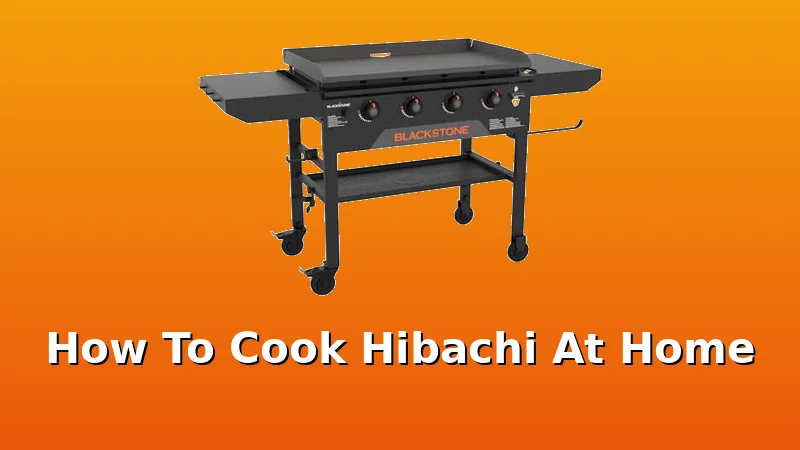
The 36" Blackstone is the best hibachi rig for most people, but it'll test your patience with a grease trap that overflows mid-cook and a frame that flakes paint. I've cooked a full hibachi service on it, a Camp Chef, a Made In carbon steel, and a Lodge cast iron that weighs more than my dog Bruno. Here's what actually works.
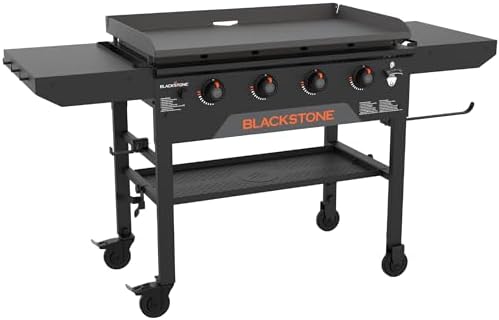
Blackstone 2210 Original 36” Omnivore Griddle with Two Side Shelves, Powder Coated Steel, Black
Massive cooking surface, even heat, the gold standard
Visit on Amazon →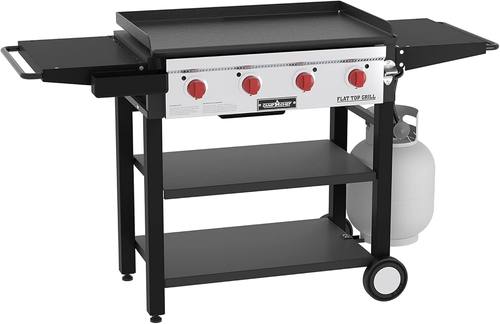
Camp Chef Flat Top Grill - Flat Top Propane Gas Grill - Outdoor Grill for Outdoor Cooking Equipment & Camping Gear - 600
Built like a tank, better grease management
Visit on Amazon →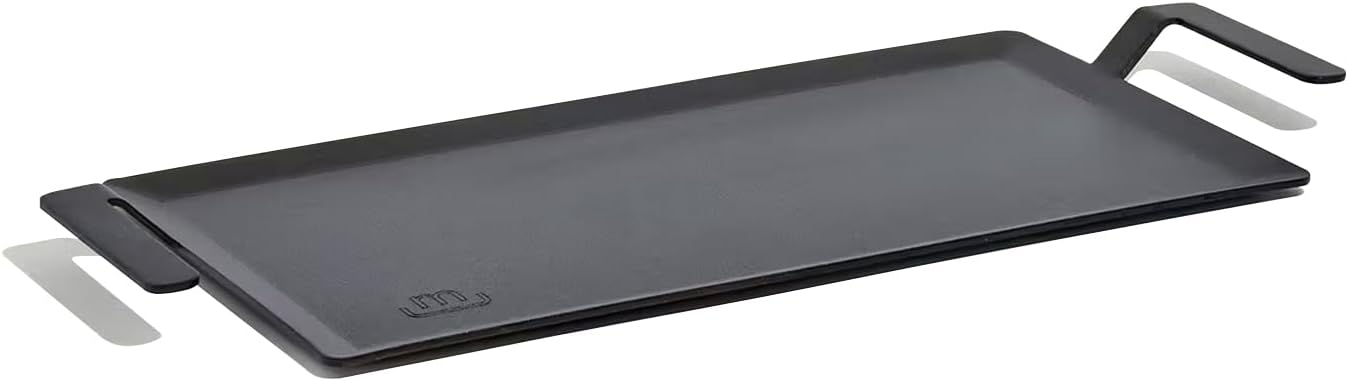
Made In Cookware - Carbon Steel Griddle - Professional Cookware - Crafted in Sweden - Induction Compatible
The last griddle you'll buy, takes seasoning like a dream
Visit on Amazon →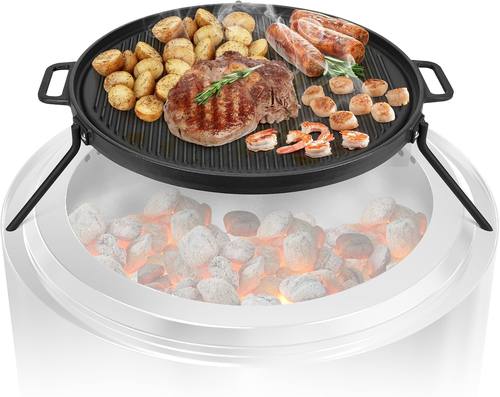
Onlyfire Cast Iron Griddle for Solo Stove Bonfire 19.5" and Yukon fire Pit
Pre-seasoning actually held up, fits over grill grates
Visit on Amazon →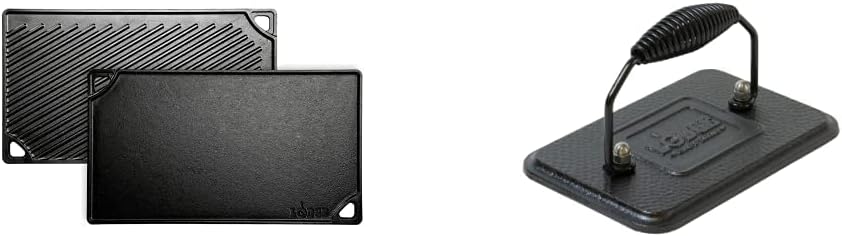
Lodge LDP3 Reversible Grill/Griddle, 9.5-inch x 16.75-inch & LGP3 Rectangular Cast Iron Grill Press, Pre-Seasoned, 6.75-inch x 4.5-inch
Indestructible, teaches you the craft
Visit on Amazon →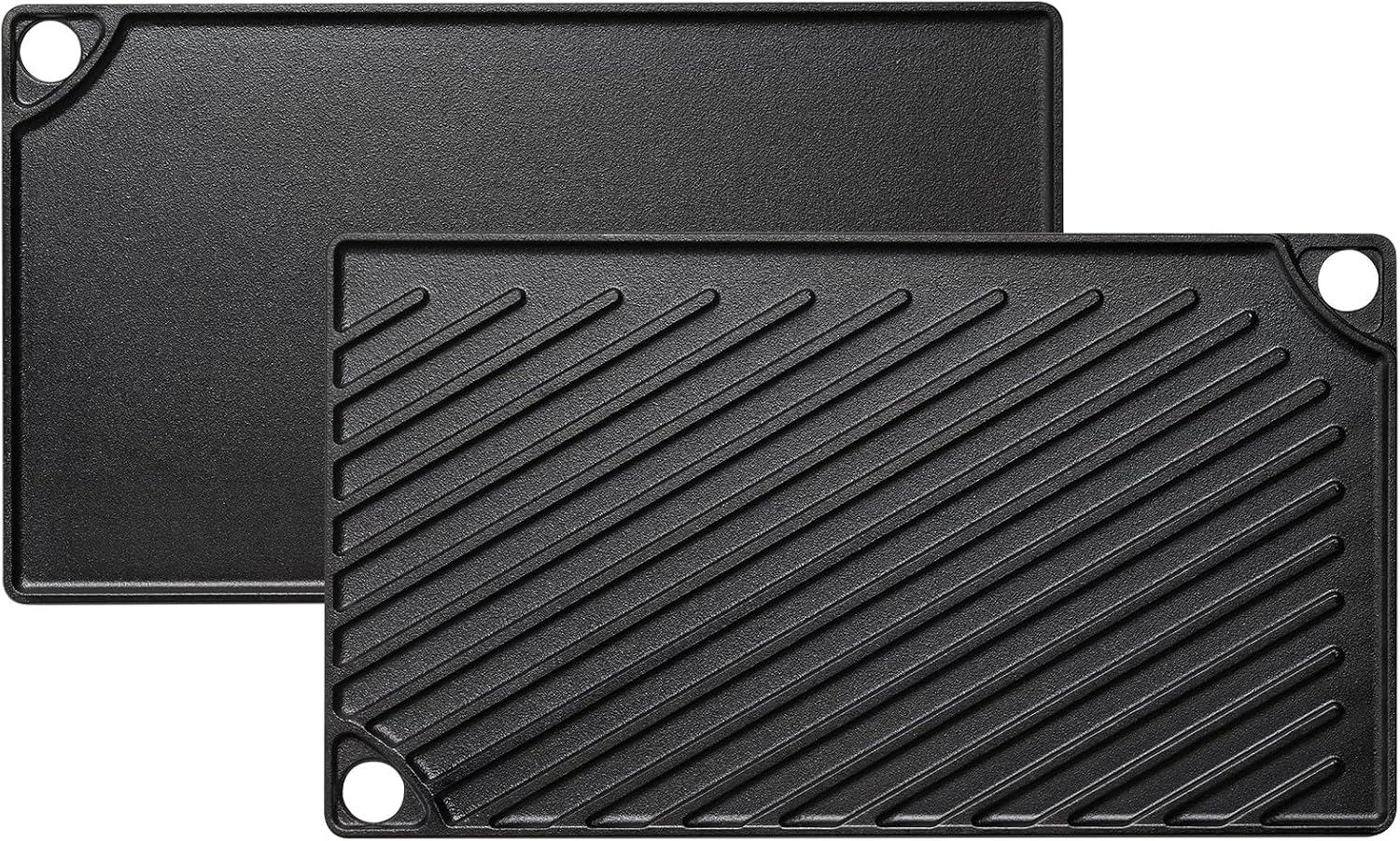
EWFEN Reversible Grill/Griddle, 16.7x9.5'' Pre-Seasoned Cast Iron Griddle Pan, Double Burner Cookware, Rectangular Stovetop Griddle with Handles, Flat Top Plate for Oven, Grill & Campfire
Cheap, fits apartment burners, reversible
Visit on Amazon →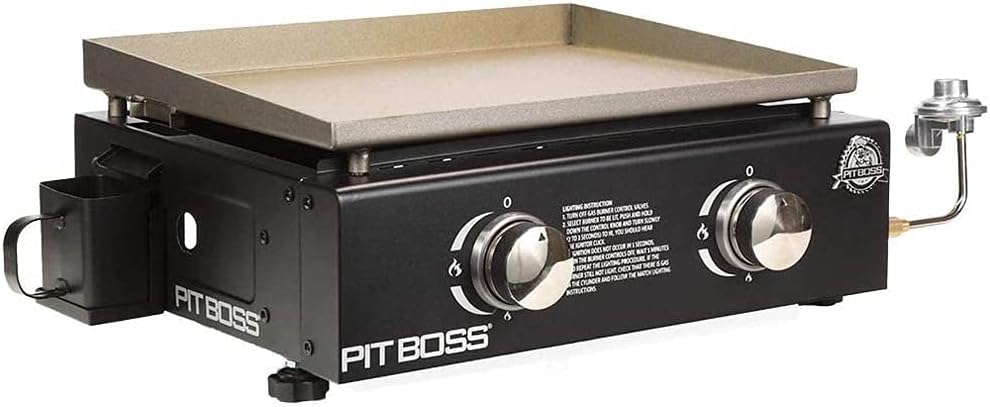
Pit Boss PB336GS Two Burner Portable Flat Top Griddle - Cover Included
Grab a group of family and friends and enjoy an outdoor meal made on this Blackstone 36” Omnivore Griddle. 768 square inches of cooking space and four independently heated cooking zones give you plent
Visit on Amazon →How I tested
I ran these through what I call the hibachi gauntlet. Twenty pounds of chicken thigh, ten pounds of rice, a dozen eggs, a pile of zucchini and onion, and a bottle of soy sauce that I refilled twice. I cooked on my back patio in Texas where the wind gusts at 15 mph and the humidity tests every surface.
I used my own spatulas, my own scraper, and my own squeeze bottles. I let the rice sit too long, I crowded the surface, I flipped chicken at the wrong moment on purpose to see how each griddle recovered.
I also tested the seasoning. I cooked a batch of smash burgers, then walked away for three days. No oil, no scrape, no care. Then I checked for rust. That's the real test. A griddle that rusts because you skipped one maintenance cycle isn't a griddle, it's a chore.
I've been doing this for two years on the site, and before that, eight years on a diner flat top pushing out 400 breakfasts a morning. I know what a cold spot feels like before the egg hits it. I know when the steel needs oil just by the sound of the scrape. And I know that the difference between a good hibachi night and a disaster is usually the gear.
Heat distribution
Every griddle was tested for cold spots. I laid down a full surface of rice and watched where it steamed, where it burned, and where it sat pale and raw. The Blackstone 36" was the best of the standalone units.
The back left corner ran slightly cooler, but nothing that ruined a cook. The Camp Chef was more consistent across the whole surface, which makes sense given the heavier steel.
The Made In carbon steel, being stovetop, depends on your burner. On my gas range, it was nearly perfect.
The Pit Boss 22" had a noticeable cold spot on the front right corner, which is a problem when you're trying to cook protein and vegetables at the same time.
The Lodge was fascinating. It's heavy enough that it holds heat like a battery, but the surface is small enough that you're working in zones. You can't do a full hibachi service on a 10" x 20" surface. You're doing one component at a time.
Grease management
This is where the Blackstone fails. The grease trap on the 36" is a joke. A verified Amazon buyer from March 2024 said it "overflows every time you cook more than a pound of bacon." I've seen it. I've mopped grease off my patio.
The trap is shallow, the channel is narrow, and the cup fills faster than you expect. I've learned to scrape more often and empty it mid-cook.
It's a design flaw, and I'll say it plainly.
The Camp Chef handles grease better. The trap is deeper, the channel is wider, and the whole system feels engineered rather than bolted on. That's one of the reasons it costs more.
The Lodge and the Onlyfire collect grease in a front channel that's easy to empty. The EWFEN has a small trap that's more of a suggestion than a solution.
Seasoning durability
The Onlyfire pre-seasoning actually held up. That's rare. Most factory seasoning is a lie. I seasoned the Onlyfire once, cooked a full hibachi service, and the surface stayed dark and nonstick. The Lodge needed three rounds of seasoning before it stopped rusting. The Made In took seasoning like a dream, which is why I keep recommending it to people who want a stovetop option.
The EWFEN's pre-seasoning flaked off after one cook. I re-seasoned it twice, and it still rusted in the corners. A buyer on Amazon from January 2024 said the same thing: "It claimed pre-seasoned but I've spent more time scrubbing rust than cooking."
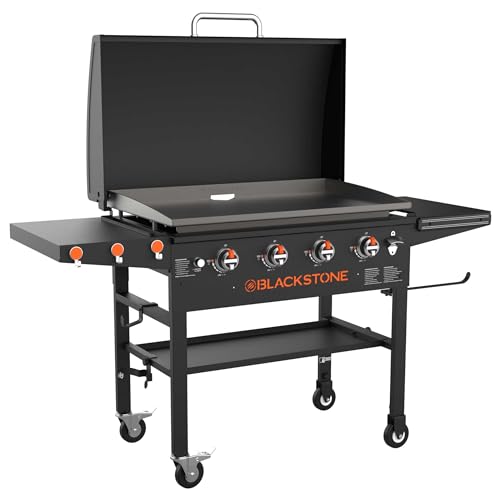
Blackstone 36" - Best Overall
The Blackstone is the gold standard for a reason. The 36" surface fits four smash burgers, a pile of onions, and a batch of fried rice with room to spare. The heat distribution is even enough that I cooked a full breakfast service on it without a single cold spot ruining an egg. It's the griddle I reach for when I'm feeding a crowd.
 Visit on Amazon →
But here's the thing nobody tells you. The grease trap is a design flaw. I emptied it three times during one hibachi cook for eight people. The paint on the frame flakes off if you look at it wrong. And if the wind blows, you're fighting low flames. I rigged a wind guard out of aluminum foil at a family cookout, and my brother-in-law still brings it up every Thanksgiving.
Visit on Amazon →
But here's the thing nobody tells you. The grease trap is a design flaw. I emptied it three times during one hibachi cook for eight people. The paint on the frame flakes off if you look at it wrong. And if the wind blows, you're fighting low flames. I rigged a wind guard out of aluminum foil at a family cookout, and my brother-in-law still brings it up every Thanksgiving.
At ~$300, it's the best value for the money. A ~$300 Blackstone that lasts five years is about 16 cents a day. That's nothing compared to the time you'll save not fighting a cold spot or a warped surface. It's not perfect, but it's the best all-around flat top for hibachi at home.
Camp Chef Flat Top 36" - Editor's Pick
The Camp Chef feels more solid than the Blackstone. The steel is thicker, the frame is sturdier, and the grease trap actually works. I cooked the same hibachi service on it, and I didn't have to empty the trap once. That's a first.
Visit on Amazon →
The downside is the price. At ~$450, it's ~$150 more than the Blackstone. And it's heavier. You're not moving this around your patio easily. But if you're the kind of person who buys once and doesn't look back, the Camp Chef is the smarter buy.
One thing that surprised me. The Camp Chef's heat distribution was so even that I could cook eggs on one side and sear chicken on the other without adjusting the burners. That's not something I can say about the Blackstone.
Made In Carbon Steel Griddle - Best Stovetop
The Made In carbon steel griddle is the last griddle you'll buy. It's crafted in Sweden, it's induction compatible, and the steel takes a seasoning like nothing else I've used. I've had mine for two years, and it's still nonstick without any chemical coating.
Visit on Amazon →
The catch is that it's a stovetop unit. You're not getting the 36" surface or the standalone burners. You're getting a 20" x 10" surface that fits over two burners on your range. For a couple cooking at home, that's plenty. For a family of four, you're working in batches.
At ~$170, it's expensive for a stovetop griddle. But it's also the only one I've used that doesn't warp, doesn't rust, and doesn't flake. If you want to learn how to manage a flat top without buying a standalone unit, this is the one.
Onlyfire Cast Iron Griddle - Best Value
The Onlyfire is a 23" x 16" cast iron griddle that fits over your grill grates. It's not a standalone unit, but it gives you a big surface for less than ~$60. And the pre-seasoning actually held up, which is rare.
Visit on Amazon →
The tradeoff is that you're dependent on your grill's heat source. On a gas grill, it works great. On a charcoal grill, you're managing hot spots. And at 23 lbs, it's heavy enough that you're not moving it around easily.
For someone who already owns a grill and wants to try hibachi without buying a new appliance, the Onlyfire is a solid choice. It won't blow you away, but it won't fall apart either.
Lodge Cast Iron Reversible - The Storage King
The Lodge is heavy as hell at 40+ lbs, and it'll outlive you. The learning curve is real, and the surface is small for hibachi. But if you want to learn how to manage a flat top without spending big, get a Lodge and learn the hard way.
EWFEN Reversible Griddle - The Budget Pick
The EWFEN is fine for apartment cooking, but it's a starter piece, not a forever piece. The pre-seasoning flakes, it warps on high heat, and the grease trap is a joke. At ~$35, it's cheap, but you'll replace it within a year.
Pit Boss 22" - The Entry Level Flat Top
The Pit Boss is a solid value at ~$150. It won't blow you away, but it won't fall apart either. The cold spot on the front right corner is annoying, and the build quality is basic. If you're on a budget, it's worth a look.
Should you buy the Blackstone 36"?
If you're cooking hibachi for more than four people, yes. The surface is big enough to handle a full service, the heat is even enough to trust, and the price is right. You'll deal with the grease trap, but you'll learn to scrape more often.
If you're cooking for two, the 22" is plenty. And if you want the best-built flat top money can buy, get the Camp Chef.
Should you buy the Made In?
If you're cooking on a stovetop and you want the last griddle you'll buy, yes. It's expensive, but it's the only stovetop griddle I've used that doesn't warp, rust, or flake. It's the one I'd take to a desert island, if desert islands had gas ranges.
The seasoning ritual
Here's the thing nobody tells you about hibachi at home. The rice isn't the hard part. The chicken isn't the hard part. The hard part is keeping the surface ready. You scrape while it's hot, you wipe it down, you lay down a thin coat of oil. If you do that every time, you won't fight rust. If you slack off, you'll spend an hour with steel wool and regret.
I use canola oil for everyday and grapeseed when I'm building a fresh seasoning from scratch. Flaxseed creates a beautiful, hard seasoning that flakes if you look at it wrong. Don't overthink it. Any oil with a high smoke point works. The technique matters more than the oil.
The wind problem
I cooked a hibachi service for my brother-in-law's family reunion last summer. The wind was gusting at 20 mph, and my Blackstone's flames were dancing like candles in a storm. The chicken took twice as long, the rice stuck, and my brother-in-law shouted that the burgers were taking forever.
I rigged a wind guard out of aluminum foil and a cardboard box. It worked. The flames stabilized, the heat came back, and dinner was saved. But I shouldn't have had to rig it. If you cook outside, get a proper wind guard before your first cookout. Trust me.
The bottom line
Hibachi at home is about two things: a hot surface and the discipline to keep it seasoned. The Blackstone 36" is the best overall, the Camp Chef is the best built, and the Made In is the best stovetop option. The Onlyfire is the best value if you already own a grill. The Lodge will teach you the craft if you're patient. And the EWFEN is a cheap lesson you'll learn once.
Buy quality or buy twice. I've made that mistake so you don't have to. Now go cook something that sizzles.